The best voice recorders for podcasts make it easier to capture clean speech, manage multiple guests, and record confidently on location or at home.
We compare 10 practical options, including multichannel podcast recorders, handheld units, USB microphones, AI-enhanced devices, and simple digital dictaphones.
Best 10 Voice Recorders for Podcasts Picks for 2026
Best Multitrack Setup

- Four XLR inputs with phantom power
- Four headphone outputs with individual volume
- Automatic mix-minus for phone and remote interviews
Best For: Multi-person podcasts and remote interviews
Best AI Transcription Tool
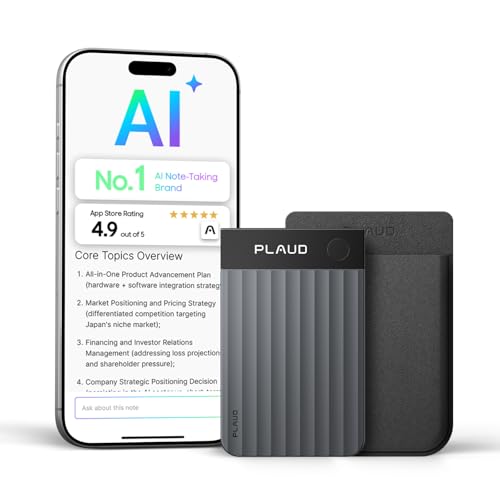
- Four microphones capture voices up to 5 meters away
- 64 GB storage with up to 30 hours in Enhance mode
- AI transcripts, summaries, and workflow integrations
Best For: Portable interviews and AI-assisted note taking
Best USB Microphone Package
ZealSound K66 USB Podcast Microphone

- Cardioid condenser capsule for focused vocals
- Noise Reduction Mode helps limit common background noise
- Zero-latency headphone monitoring and mobile adapters
Best For: Computer, streaming, and mobile podcast recording
Best Flexible Field Recorder

- Built-in stereo microphones plus two XLR/TRS inputs
- 32-bit float recording helps avoid clipped takes
- USB-C recording or streaming with SD-card backup
Best For: Portable podcasts, filmmaking, music, and field recording
Best Two-Person Podcast Kit

- Two microphones and boom arms included
- Supports simultaneous two-person broadcasting
- Mixer adds effects, noise reduction, and voice changing
Best For: Two-person podcasts, livestreams, and home studios
Best Portable Podcast Recorder

- X/Y stereo microphones capture natural audio
- 32-bit float recording helps prevent clipping
- USB-C microphone mode for streaming and calls
Best For: Portable interviews, podcasts, and field recording
Best High-Capacity Voice Recorder

- 64GB storage for extended recording capacity
- Voice activation with seven sensitivity levels
- WAV and MP3 recording with playback controls
Best For: Long interviews, lectures, meetings, and spoken notes
Best Multitrack Podcast Recorder

- Four XLR inputs for group recording
- AI noise reduction and onboard effects
- Four headphone outputs with separate controls
Best For: Four-person podcasts and demanding XLR microphones
Best Heavy-Duty Pick
EVIDA 128GB Digital Voice Recorder

- 1536kbps PCM recording with WAV support
- Voice activation helps reduce silent sections
- 128GB storage and password protection
Best For: Interviews, lectures, conversations, and portable notes
Best Simple USB Podcast Recorder

- Two USB mic inputs and two headphone outputs
- Mix-Minus reduces remote-call echo
- AI processing and simultaneous streaming
Best For: Two-person podcasts using USB microphones
Best Multitrack Setup – Zoom PodTrak P4
For creators comparing voice recorders for podcasts, the Zoom PodTrak P4 is built around multi-person recording. It provides four XLR microphone inputs with phantom power, four individually controlled headphone outputs, and multitrack recording for podcasts, interviews, and remote calls.
Best For: Podcasts with up to four microphones, guests, and phone or USB-based remote interviews.
Pros:
- Four XLR inputs with phantom power support compatible microphones.
- Four headphone outputs include individual volume control.
- Automatic mix-minus supports call-in and remote interviews.
- Sound Pads and multitrack recording add production flexibility.
Cons:
- Battery life is listed at up to 3.5 hours on two AA batteries.
- Its feature set may be more than needed for solo recording.
The P4 is a practical choice when a podcast needs several microphones, separate monitoring, and straightforward remote-interview features in a battery-powered recorder.
Best AI Transcription Tool – Plaud Note Pro
The Plaud Note Pro takes a different approach to voice recorders for podcasts, pairing four built-in microphones with transcription and AI-powered organization. Its slim 30 g design, 64 GB of storage, and up to 30 hours of Enhance-mode recording suit interviews, planning sessions, and portable conversation capture.
Best For: Podcasters who want lightweight conversation recording, transcripts, summaries, and workflow integrations.
Pros:
- Four microphones capture voices from up to 5 meters away.
- Transcripts, highlights, summaries, and structured outputs support post-recording work.
- 64 GB of storage and up to 30 hours of Enhance-mode recording provide substantial capacity.
- Includes a magnetic case, ring, charging cable, and Starter Plan transcription minutes.
Cons:
- There is no headphone jack for direct monitoring.
- Transcription allowances vary by plan, with higher limits requiring an upgrade.
- It is designed for built-in-microphone capture rather than XLR studio setups.
Choose the Note Pro when organizing spoken content is as important as recording it. It is less suited to traditional multi-microphone podcast production, but compelling for portable interviews and AI-assisted follow-up.
Best USB Microphone Package – ZealSound K66 USB Podcast Microphone
Although it is a USB microphone rather than a standalone recorder, the ZealSound K66 is worth considering among voice recorders for podcasts when recording through a computer, tablet, or compatible phone. Its cardioid condenser capsule, noise-reduction mode, gain and monitoring controls, and included USB-C and Lightning adapters target plug-and-play podcast production.
Best For: Desktop, streaming, and mobile podcasters who already record into a computer or phone.
Pros:
- Cardioid pickup focuses on the speaker and helps reduce unwanted background sound.
- Noise Reduction Mode targets keyboard, fan, air-conditioner, and chatter noise.
- Built-in headphone monitoring provides zero-latency feedback.
- USB-C and Lightning adapters broaden device compatibility.
Cons:
- It requires a compatible recording device and is not a standalone recorder.
- Its single-microphone design is less suited to multi-host sessions.
The K66 makes sense for creators who want hands-on control and immediate monitoring without installing drivers. For a portable, self-contained field recorder, a dedicated handheld model will be a better fit.
Best Flexible Field Recorder – Zoom H4 Essential
The Zoom H4 Essential is a versatile option for shoppers seeking voice recorders for podcasts that can also handle music, video audio, and field work. It combines built-in stereo microphones with two XLR/TRS inputs, 32-bit float clip-free recording, four-track operation, and USB-C connectivity for recording or streaming.
Best For: Podcasters, filmmakers, and musicians who need portable recording with external-input flexibility.
Pros:
- Built-in stereo microphones support quick, self-contained recording.
- Two XLR/TRS inputs accept external microphones, instruments, mixers, or soundboards.
- 32-bit float recording helps protect against distorted takes.
- Can record to an SD card while connecting to phones, tablets, or computers by USB-C.
Cons:
- It has two external XLR/TRS inputs, fewer than the PodTrak P4’s four XLR inputs.
- Two AA batteries are required, and the supplied details do not state battery life.
- Its broader music and filmmaking features may be unnecessary for simple podcast recording.
The H4 Essential is a strong all-purpose recorder when a podcast setup may expand beyond spoken-word sessions. Its input options, onboard microphones, backup-to-SD capability, and 32-bit float recording offer useful flexibility in the field.
Best Two-Person Podcast Kit – Dual-Mic Mixer Bundle
For creators comparing voice recorders for podcasts, this bundle is a complete two-person setup built around an audio mixer, two condenser microphones, and boom arms. It is suited to desktop podcasting, livestreaming, interviews, and recordings that benefit from live sound controls and voice effects.
Best For: Two-person podcasts, livestreams, gaming content, and beginner-friendly home recording.
Pros:
- Includes two microphones, two boom arms, cables, shock mounts, and pop protection.
- Supports two people recording or broadcasting at the same time.
- Offers noise reduction, multiple sound effects, voice changing, and instrument input.
- Works with PCs, smartphones, PlayStation systems, and multiple operating systems.
Cons:
- Its mixer-and-microphone setup is less portable than a handheld recorder.
- Battery charging may be needed before first use or after extended storage.
This is a strong choice when your podcast setup stays in one place and you want hands-on control over two microphones, effects, and accompaniment. It is less suitable for quickly recording interviews away from a desk.
Best Portable Podcast Recorder – Zoom H1essential Recorder
The Zoom H1 Essential is a compact option for shoppers seeking voice recorders for podcasts, interviews, and content creation. Its X/Y stereo microphones capture natural sound, while 32-bit float recording is designed to provide clip-free audio and USB-C connectivity lets it work as a computer or mobile microphone.
Best For: Portable podcast interviews, solo recordings, voiceovers, livestreams, and field audio.
Pros:
- Uses built-in X/Y stereo microphones for clear stereo capture.
- 32-bit float recording helps support clip-free audio.
- Can function as a USB microphone for podcasts, calls, and livestreams.
- Provides up to 10 hours of battery life and weighs 92 grams.
Cons:
- Requires two AAA batteries.
- It is a single handheld recorder rather than a two-microphone studio bundle.
Choose the H1 Essential if portability and quick setup matter more than multiple inputs or built-in voice effects. It is versatile for recording conversations, ambient sound, music, and remote content without relying solely on a phone or camera.
Best High-Capacity Voice Recorder – EVISTR 64GB Digital Recorder
For buyers comparing voice recorders for podcasts alongside lectures, meetings, or interviews, the EVISTR L357 emphasizes storage, simple operation, and voice activation. Its built-in microphone supports adjustable gain and PCM noise reduction, while USB-C file transfer works with Windows and Mac computers.
Best For: Long interviews, lectures, meetings, notes, and users who want extensive onboard storage.
Pros:
- 64GB of storage can hold up to 4,660 hours at 32Kbps.
- Voice activation and seven sensitivity levels can reduce silent sections.
- Records in WAV or MP3 and supports playback, A-B repeat, rewind, and variable speed.
- Offers up to 32 hours of continuous recording and 35 hours of playback.
Cons:
- The built-in microphone is less adaptable than a separate podcast microphone system.
- Voice activation may not suit recordings where continuous room ambience is important.
This recorder is practical when you need long recording sessions, straightforward controls, and easy file identification. It is a better fit for interviews and spoken-word capture than for a polished, multi-microphone studio podcast.
Best Multitrack Podcast Recorder – Zoom PodTrak P4next
If you need voice recorders for podcasts that can handle a group, the Zoom PodTrak P4next is built for in-person sessions with up to four microphones. Its multitrack recording, AI-assisted processing, and multiple headphone outputs make it a flexible choice for podcast teams.
Best For: Four-person podcasts, demanding XLR microphones, and creators who want onboard audio processing.
Pros:
- Four XLR inputs support up to four people plus a call-in guest.
- Up to +70dB of gain works with demanding podcast microphones.
- AI noise reduction, Tone Enhancement, and compression simplify mixing.
- Four headphone outputs provide separate volume controls.
Cons:
- Uses XLR microphones rather than the simpler USB-mic setup.
- Its broader feature set may be more than a solo podcaster needs.
The P4next stands out when multiple hosts need separate tracks and comfortable monitoring. Phone connectivity for direct video audio adds useful flexibility for mobile content.
Best Heavy-Duty Pick – EVIDA 128GB Digital Voice Recorder
For shoppers comparing voice recorders for podcasts, the EVIDA 128GB recorder is a compact option for capturing interviews, notes, and conversations. It offers PCM recording, voice activation, password protection, and computer file transfer in a pocket-sized device.
Best For: Interview notes, conversations, lectures, and podcasters who want a general-purpose portable recorder.
Pros:
- Records in MP3 or WAV formats, including 1536kbps WAV.
- Voice activation can reduce silent sections and whisper-level snippets.
- 128GB storage supports extensive file storage.
- Also functions as a USB flash drive and MP3 player.
Cons:
- Its built-in mono microphone is less suited to multi-microphone podcast production.
- No headphone jack is listed for monitoring.
- Continuous battery life is listed at 54 hours, so long sessions require battery planning.
The EVIDA is better suited to recording source material than producing a polished multi-person podcast. Its voice activation, large storage capacity, and simple computer transfer make it practical for interviews and field notes.
Best Simple USB Podcast Recorder – Zoom PodTrak P2
The Zoom PodTrak P2 is a straightforward choice among voice recorders for podcasts when two people use USB microphones. It combines two mic inputs, two headphone outputs, remote-call support, and AI-assisted processing in a battery-powered design.
Best For: Two-person podcasts, remote interviews, live streaming, and creators using USB microphones.
Pros:
- Two USB mic inputs make setup quick for two-person shows.
- Mix-Minus helps prevent echo and feedback with call-in guests.
- AI noise reduction, tone shaping, compression, and de-essing reduce post-production work.
- Can stream to a smartphone or computer while saving individual tracks to an SD card.
Cons:
- Limited to two USB microphone inputs.
- Battery life is listed at up to four hours on four AA batteries.
- Its WAV recording time is listed at 10 hours.
For a two-host show, the P2 keeps the workflow uncomplicated while still supporting remote guests and live streaming. It is a particularly practical fit for creators who prefer USB microphones over XLR setups.
How We Picked the Best Voice Recorders for Podcasts
We evaluated these devices by looking at the recording situations they suit, input and output flexibility, portability, ease of setup, monitoring options, storage, and features that can reduce editing time. Because podcasting ranges from solo voice notes to four-person interviews, the right choice depends less on a single specification and more on how you plan to record.
The selection includes dedicated podcast interfaces, handheld field recorders, USB microphones, AI-assisted voice recorders, and budget-friendly digital recorders. We prioritized products that offer a clear use case rather than treating every device as a direct substitute.
Quick Comparison
| Best For | Look For | Product Type |
|---|---|---|
| Multi-person studio podcasts | Several mic inputs, headphone outputs, and separate tracks | Podcast recorder or mixer |
| Remote interviews | Phone or USB connectivity, monitoring, and portable operation | Podcast recorder |
| Solo creators | Simple controls, USB connectivity, and dependable monitoring | USB microphone or compact recorder |
| Outdoor and location recording | Built-in microphones, battery operation, and durable construction | Handheld recorder |
| Meetings and research | Large storage, voice activation, playback, and file security | Digital voice recorder |
Key Buying Factors for Voice Recorders for Podcasts
Inputs and Guest Count
Count the microphones you need now, then allow room for occasional guests. Two inputs may be sufficient for a host and co-host, while interview shows and roundtables benefit from four inputs and independent headphone monitoring.
Connection and Compatibility
XLR inputs suit traditional dynamic or condenser microphones and provide a path to more advanced setups. USB microphones are simpler for computer-based recording. Phone and USB inputs are useful when bringing in remote guests, but check whether the device records separate channels or only a mixed signal.
Monitoring and Control
Headphone outputs, gain controls, mute functions, sound pads, and low-latency monitoring can prevent clipped audio and make live production easier. AI noise reduction may help in imperfect rooms, but it cannot replace sensible microphone placement and a quiet recording space.
Portability, Storage, and Workflow
For field work, prioritize battery life, built-in microphones, compact dimensions, and physical controls. For long meetings, check internal storage, expandable memory, recording format, playback controls, and password protection. Also confirm how easily files transfer to your computer or editing app.
Who Should Buy Which Voice Recorders for Podcasts?
Choose a multichannel podcast recorder if you regularly host guests, need several microphones, or want headphone monitoring and hands-on controls. These are the strongest choices for structured interview shows and small productions.
Choose a handheld recorder if you record outdoors, at events, in rehearsal spaces, or away from a desk. Built-in microphones make setup fast, while external inputs provide room to expand.
Choose a USB microphone or podcast bundle if you are building a home setup and want a straightforward computer connection. Bundles can be convenient, but verify microphone quality, included accessories, and compatibility before buying.
Choose an AI or digital voice recorder if your priority is capturing meetings, ideas, interviews, or research notes rather than producing a fully mixed podcast. These devices emphasize convenience, storage, playback, and transcription-oriented workflows.