Choosing the right recorder for an interview means balancing dependable audio capture, simple controls, portability, and enough storage for every conversation. This roundup includes traditional cassette players with recording functions alongside digital voice recorders that offer longer runtimes and easier file management.
Use the comparison and buying advice below to match your interview style, recording environment, and preferred playback method with the most practical option.
Best 10 Cassette Recorders for Interviews Picks for 2026
Best High-Capacity Digital Pick

- 64GB storage with up to 4,660 hours at 32Kbps
- Noise reduction, adjustable gain, and voice activation
- USB-C transfer with MP3 and WAV support
Best For: Long interviews and organized digital file management
Best Traditional Cassette Interviewer

- One-touch cassette recording for interviews and classes
- Built-in and external microphone options
- Carry handle, headphone jack, and AUX input
Best For: Simple physical-tape interview recording
Best Compact Digital Value

- 16GB storage with up to 1,120 hours at 32Kbps
- Voice activation and sensitive microphone with noise reduction
- Lightweight design with MP3/WAV recording and Micro USB transfer
Best For: Portable digital interviews and everyday recording
Best Cassette-to-Source Flexibility

- Records voice to cassette with included external microphone
- AUX input records compatible devices to tape
- Includes speaker, microphone, cable, and AC adapter
Best For: Cassette interviews and recording audio from external sources
Best Digital Pick

- One-click recording and saving
- 64GB storage with up to 48 hours of use
- PCM recording, noise reduction, and voice activation
Best For: Portable digital interview recording with ample storage
Best Cassette Option
JENSEN MCR-100 Cassette Recorder

- Authentic cassette recording and playback
- One-touch recording with automatic level control
- Aux input, headphone jack, and external microphone jack
Best For: Traditional cassette-based interviews and personal notes
Best High-Capacity Pick

- 136GB listed storage and up to 9,775 hours of MP3 audio
- Up to 68 hours of continuous recording
- PCM audio, dual noise reduction, and USB-C transfer
Best For: Long interviews and high-volume recording schedules
Best Analog Pick
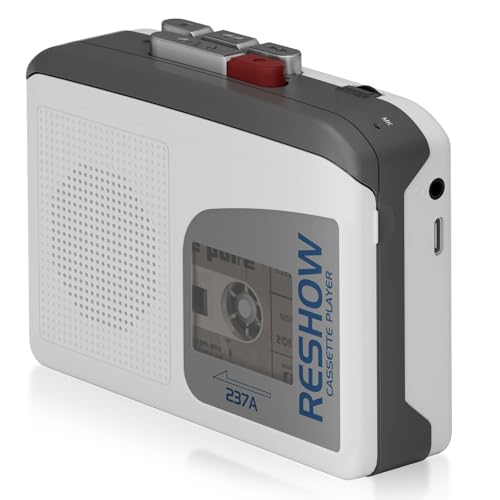
- Records interviews directly to cassette tape
- Built-in speaker and headphone output
- USB-C or two-AA power options
Best For: Analog recording enthusiasts and simple interview use
Best Digital Interview Tool
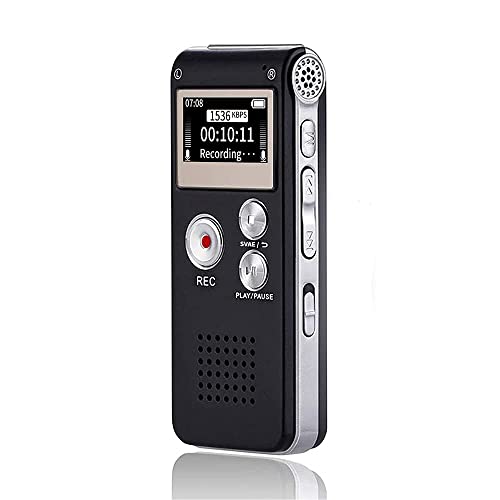
- Noise reduction and sensitive built-in microphone
- Up to 30 hours of continuous recording
- USB transfer with 16GB storage
Best For: Long interviews and easy digital file management
Best Feature-Rich Option
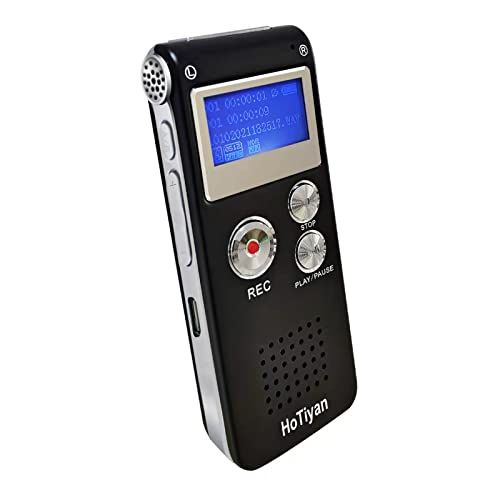
- MP3/WAV recording with voice activation
- A-B repeat and variable playback speed
- USB transfer, timestamps, and password protection
Best For: Interview review, meetings, and organized digital recordings
Best High-Capacity Digital Pick – EVISTR L357 Voice Recorder
If you are comparing cassette recorders for interviews but prefer easy file transfer and extensive storage, the EVISTR L357 is a practical digital alternative. It records in MP3 or WAV, offers adjustable gain and noise reduction, and transfers files to Windows or Mac through USB-C.
Best For: Interviewers who need long recording capacity, voice activation, and computer-friendly file management.
Pros:
- 64GB storage can hold up to 4,660 hours at 32Kbps.
- PCM noise reduction, a dynamic microphone, and seven recording-gain levels support clearer capture.
- Voice activation, scheduled recording, A-B repeat, and variable-speed playback add flexibility.
- A 500mAh battery supports up to 32 hours of continuous recording.
Cons:
- It is a digital recorder rather than a cassette-based device.
- The extensive settings may take longer to learn than a basic one-touch recorder.
The EVISTR stands out when storage, battery endurance, and organized digital files matter more than recording directly to physical tapes.
Best Traditional Cassette Interviewer – PROSCAN Cassette Recorder
PROSCAN Cassette Player & Recorder with Microphone, Headphone Jack, Aux in, Black
Check Price On AmazonFor shoppers specifically seeking cassette recorders for interviews, the PROSCAN provides a straightforward tape-based setup with one-touch recording. Its built-in and external microphone options, automatic level control, and carry handle make it suitable for simple mobile interview recording.
Best For: Users who want a conventional cassette recorder with simple controls and microphone flexibility.
Pros:
- Records interviews, classes, and conferences with one touch.
- Includes a freestanding microphone and an external microphone jack.
- Automatic level control is designed to help produce clear recordings.
- Portable 1.8-pound design includes a carry handle, headphone jack, and AUX input.
Cons:
- Cassette recording requires physical tapes and does not offer the digital storage features of voice recorders.
- It is heavier and less compact than the small digital models in this roundup.
The PROSCAN is the most direct fit for buyers who want familiar cassette operation and do not need extensive digital editing or file-transfer features.
Best Compact Digital Value – HoTiyan 16GB Voice Recorder
Although it is not a cassette machine, this compact HoTiyan recorder is worth considering alongside cassette recorders for interviews when you want digital convenience. It supports MP3 and WAV recording, voice activation, playback controls, and direct transfer through the included Micro USB cable.
Best For: Students, interviewers, and meeting participants who want a lightweight recorder with essential digital functions.
Pros:
- 16GB storage provides up to 1,120 hours at the listed 32Kbps setting.
- Voice activation can reduce silent sections and conserve storage space.
- Three-button operation, A-B repeat, variable playback speed, and time-stamped filenames simplify use.
- Its 1.6-ounce body is highly portable, and the battery supports up to 20 hours of recording.
Cons:
- It uses Micro USB rather than USB-C.
- Its listed storage and battery capacity are lower than those of the EVISTR model.
- It records digital MP3 or WAV files, not audio to cassette tape.
This model offers a small, affordable-feeling digital format for users who value portability and basic interview tools over cassette playback or recording.
Best Cassette-to-Source Flexibility – Deluxe Products DP-CASR-101
The Deluxe Products DP-CASR-101 is a classic option among cassette recorders for interviews, combining tape recording with a built-in speaker and included external microphone. Its AUX input also lets you record audio from a compatible smartphone, laptop, or tablet to cassette.
Best For: Buyers who want physical cassette recording plus simple recording from an external audio source.
Pros:
- Records voice to cassette using the included external microphone or built-in condenser microphone.
- AUX input supports recording from compatible devices with a headphone output.
- Includes a built-in speaker, external microphone, AUX cable, and AC adapter.
- Carrying handle and battery option support use away from a fixed setup.
Cons:
- Four C batteries are not included.
- Cassette recording requires blank tapes and offers less convenient file handling than digital recorders.
- The unit weighs about 0.95 kg, so it is less lightweight than compact digital alternatives.
The DP-CASR-101 is a good match for buyers who want a tangible cassette workflow without giving up the ability to capture audio from a compatible modern device.
Best Digital Pick – Tonfarb 64GB Voice Recorder
For shoppers comparing cassette recorders for interviews, this compact digital alternative offers fast one-click operation, substantial storage, and WAV recording with noise reduction. Its voice activation and password protection add useful convenience for interviews, lectures, and field work.
Best For: Interviewers who want a pocket-size digital recorder with long storage, playback, and flexible recording controls.
Pros:
- One-click recording and saving can be activated even while powered off.
- 64GB storage supports up to 4,600 hours of recordings, according to the supplied specifications.
- 1536kbps PCM WAV recording, automatic noise reduction, and voice activation support clearer, more efficient recording.
- Includes playback, A-B repeat, bookmarking, password protection, and USB file transfer.
Cons:
- It records digitally rather than to cassette tape.
- The built-in microphone may be less adaptable than a dedicated external microphone setup.
This is a practical choice when quick operation and high capacity matter more than the analog cassette experience. The 1.44-inch screen and included cables also make file management and everyday use straightforward.
Best Cassette Option – JENSEN MCR-100 Cassette Recorder
If you specifically want cassette recorders for interviews, the JENSEN MCR-100 provides the traditional tape workflow in a portable shoebox-style design. Its one-touch recording, built-in condenser microphone, and automatic level control keep operation simple for notes, classroom use, and basic interviews.
Best For: Buyers who want a genuine cassette player/recorder with simple controls and flexible listening options.
Pros:
- Records and plays cassette tapes with convenient one-touch recording.
- Built-in condenser microphone and automatic level control simplify recording.
- Auxiliary input supports audio from smartphones, tablets, and other sources.
- Includes a headphone jack, external microphone jack, and retractable carrying handle.
Cons:
- Its mono microphone operation is less suited to spacious or stereo recordings.
- Recording depends on cassette media rather than internal digital storage.
- The supplied warranty is limited to 90 days.
The MCR-100 is the clearest fit for shoppers committed to analog tape. It trades the storage and file-transfer convenience of digital models for familiar cassette playback and recording, plus an external microphone connection for added flexibility.
Best High-Capacity Pick – Tonfarb 136GB Voice Recorder
For interviewers needing extensive storage and long sessions, this Tonfarb digital recorder is a strong alternative to cassette recorders for interviews. It combines 136GB of total listed storage with up to 68 hours of battery life, one-click controls, dual noise-reduction microphones, and USB-C file transfer.
Best For: Journalists, students, and professionals recording frequent interviews, meetings, or extended classroom sessions.
Pros:
- Listed 136GB capacity can hold up to 9,775 hours of MP3 recordings, according to the supplied notes.
- Up to 68 hours of continuous recording supports back-to-back sessions.
- 1536kbps PCM recording, dual noise-reduction microphones, and voice activation target clearer speech capture.
- One-click recording, a large LCD screen, A-B repeat, password protection, and USB-C transfer improve usability.
Cons:
- It is a digital recorder, so it does not create or play cassette tapes.
- The included TF card contributes to the listed capacity, so storage management may involve removable media.
This model stands out when endurance and capacity are priorities. Its metal casing and approximately 100-gram weight support portability, while the voice-activated mode can help conserve storage and battery during quieter periods.
Best Analog Pick – Portable Cassette Recorder
For shoppers specifically seeking cassette recorders for interviews, this portable Reshow model offers genuine tape recording through its built-in microphone. Its simple controls, built-in speaker, and headphone output make it practical for straightforward voice memos, interviews, lectures, and analog playback.
Best For: Users who want real cassette recording with portable, uncomplicated operation.
Pros:
- Built-in microphone records directly to cassette tape.
- Built-in speaker and 3.5mm headphone jack support flexible listening.
- Runs on two AA batteries or USB-C power.
- Simple design suits students, travelers, and analog-audio enthusiasts.
Cons:
- AA batteries are not included.
- Tape recording requires cassette media and does not offer digital file storage.
- The supplied details do not specify advanced microphone controls or noise reduction.
This is the most fitting choice when the tactile experience and authentic analog format matter more than easy computer transfer or extensive digital storage.
Best Digital Interview Tool – 16GB Voice Recorder
Although it is a digital recorder rather than a cassette machine, this compact Sunlan device is a practical alternative for cassette recorders for interviews. Its noise-reduction processing, sensitive built-in microphone, one-button recording, and up to 30 hours of continuous recording are designed for capturing spoken audio and reviewing it afterward.
Best For: Interviewers who prioritize clear digital voice capture, long recording time, and simple playback.
Pros:
- 16GB storage provides room for recorded WAV files and other data.
- Noise-reduction technology and a sensitive microphone target clearer speech.
- Voice activation can start recording when sound is detected.
- Supports more than 30 hours of continuous recording and USB file transfer.
Cons:
- It does not record onto cassette tape.
- The built-in microphone is mono, according to the supplied specifications.
- Its listed 3.5mm headphone jack is useful for monitoring playback, but the notes do not confirm live monitoring during recording.
Choose this model when convenient digital storage and transfer are more important than analog tape. It is especially suited to longer interviews that need straightforward playback on the recorder or a computer.
Best Feature-Rich Option – 8GB Voice Recorder
This HoTiyan recorder is another digital alternative to cassette recorders for interviews, combining a built-in microphone with noise reduction, voice activation, and MP3 or WAV recording. Its A-B repeat, variable playback speed, file naming, and password protection add useful flexibility when reviewing interviews, meetings, or lectures.
Best For: Users who want voice-activated recording and playback tools for organizing and reviewing interviews.
Pros:
- Supports MP3 and WAV recording with a stated 8GB capacity.
- Voice activation can reduce silent sections and conserve storage.
- A-B repeat and variable playback speed help with reviewing key passages.
- Offers file naming, timestamps, password protection, and USB transfer.
Cons:
- It is a digital recorder and does not use cassette tapes.
- Battery life is listed at up to 20 hours of continuous recording, less than some longer-session alternatives.
- Voice activation may omit very quiet speech if the sound falls below its detection threshold.
This model makes sense for interviewers who expect to revisit important answers and want more playback and file-management features than a basic recorder provides.
How We Picked the Best Cassette Recorders for Interviews
We selected these models based on the features that matter most during interviews: recording reliability, microphone performance, portability, playback options, power convenience, and ease of operation. The list includes cassette-based devices for shoppers who prefer physical tapes, as well as digital recorders that may be more practical for transferring, storing, and sharing interview audio.
We also considered useful extras such as voice activation, built-in speakers, headphone outputs, auxiliary inputs, USB charging, one-touch recording, and available storage. Because product specifications and included accessories can vary, confirm the current listing details before buying.
Quick Comparison
| Recorder Type | Best For | Main Advantage | Potential Limitation |
|---|---|---|---|
| Traditional cassette recorder | Physical-tape workflows | Simple tactile recording and playback | Tapes require storage and rewinding |
| Digital voice recorder | Frequent interviews and field use | Large capacity and easy file transfer | Audio files require computer or device management |
| Cassette recorder with auxiliary input | Recording from external audio sources | More flexible connectivity | May be bulkier than a basic recorder |
Key Buying Factors for Cassette Recorders for Interviews
Recording Format and Storage
Choose cassette recording if you need physical media or work with existing tapes. Digital models are generally better for long interviews because they can store many hours without changing cassettes. Check the actual recording capacity, supported file format, and how easily files transfer to a computer.
Microphone and Audio Quality
A built-in microphone is convenient for one-on-one conversations, but placement matters. Look for a model with clear microphone pickup and test it in the room where you will work. A headphone jack is useful for checking recordings, while an external microphone connection can improve results when available.
Power and Portability
For mobile interviews, prioritize a compact body, rechargeable battery, simple controls, and a battery indicator. Cassette models may use replaceable batteries or an AC adapter, so check whether the required power accessories are included.
Playback and Connectivity
Built-in speakers help with quick review, but headphones usually provide clearer monitoring. USB connectivity is particularly valuable on digital models, while an auxiliary input can help capture audio from another device on compatible cassette recorders.
Who Should Buy Which Cassette Recorders for Interviews?
Choose a traditional cassette recorder if you already use tapes, want straightforward physical recording, or need compatibility with cassette playback. A built-in microphone and one-touch controls are helpful for basic interviews.
Choose a digital voice recorder if you conduct interviews regularly, need extensive storage, or expect to transfer recordings for transcription and editing. Voice activation can reduce silent sections, but test it beforehand so quiet speech is not missed.
Choose a connected or hybrid-style model if you want cassette playback plus microphone or auxiliary recording options. Whichever type you choose, make a short test recording before each interview, bring backup power, and keep the recorder close enough to the speaker for consistent audio.