Finding reliable compression on a $200 budget is possible, but the right choice depends on whether you need rackmount dynamics control, a guitar pedal, or an inline microphone preamp.
We selected 10 affordable compressors covering studio, live, streaming, vocal, and instrument applications, with attention to control flexibility, connectivity, format, and practical value.
Best 10 Audio Compressors Under 200 Picks for 2026
Studio Control
Dual-Channel Dynamic Processor

- Dual-channel VCA compression
- Noise gate and sidechain insert
- XLR/TRS rackmount connectivity
Best For: Studio, live, and streaming dynamics control
Rack Value
Behringer Composer Pro-XL MDX2600

- Two-channel processing
- Compressor, limiter, and gate
- Designed for production and mixing
Best For: Basic rack-based dynamics processing
Flexible Routing

- Dual or linked-stereo operation
- Compression, limiting, expansion, and gate
- Balanced XLR/TRS connections
Best For: Stereo and multi-function rack processing
Guitar Dynamics
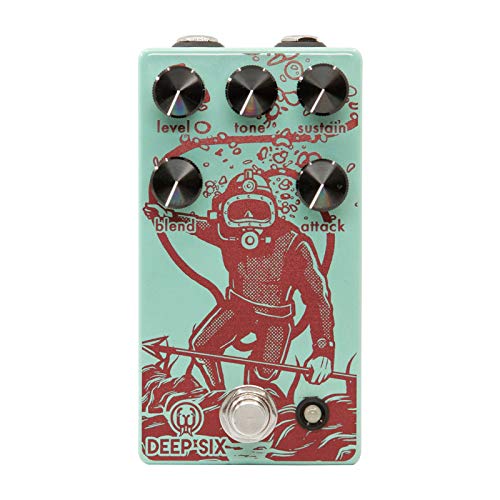
- Studio-grade compressor pedal
- Bass-cut tone control
- True bypass and top-mounted jacks
Best For: Guitar pedalboard compression
Warm Dynamics Pick
Keeley Compressor Plus Germanium

- Germanium tone shaping without fuzz or overdrive
- Natural sustain with touch-sensitive response
- Silent switching with true or buffered bypass
Best For: Guitarists wanting warm, expressive pedal compression
Studio Routing Pick
Dual-Channel Rackmount Compressor

- Two channels with adjustable attack and release
- Built-in noise gate and LED gain-reduction metering
- XLR/TRS I/O plus sidechain insert
Best For: Studio, live, streaming, and vocal processing
Simple Pedal Pick

- Classic DOD 280 circuit design with updated components
- Comp and Level controls keep operation simple
- True bypass in a lightweight aluminum chassis
Best For: Compact pedalboards and straightforward guitar compression
Versatile Rack Dynamics

- Compression and gating in one 1U unit
- LED metering supports quick setup
- Useful for studio, live, and touring rigs
Best For: Users needing flexible rack-based dynamics control
Feature-Rich Two-Channel Control
Behringer Composer Pro-XL MDX2600

- Independent or stereo-linked two-channel processing
- Built-in de-esser and peak limiter
- Includes a 10-foot XLR microphone cable
Best For: Vocal, stereo-bus, and live-sound processing
Compact Mic Leveling
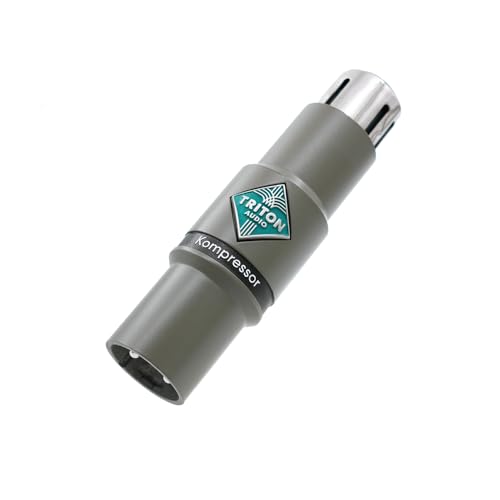
- In-line compressor and 25 dB mic preamp
- Simple one-knob compression control
- Protects ribbon mics from phantom power
Best For: Podcasters and low-output dynamic or ribbon microphones
Studio Control – Dual-Channel Dynamic Processor
For shoppers comparing audio compressors under 200, this 1U dual-channel processor offers flexible control for studio, live, and streaming setups. Its VCA circuitry, selectable-style automatic attack and release settings, noise gate, LED monitoring, and sidechain insert support a range of dynamic-control tasks.
Best For: Vocal processing, live streaming, recording, and tightening bass or kick-drum dynamics.
Pros:
- Dual-channel design with Overeasy compression and auto attack/release settings.
- XLR and 1/4-inch TRS inputs and outputs support flexible routing.
- Built-in noise gate, LED indicators, and sidechain insert add practical control.
- Classic VCA circuitry is designed to enhance vocal presence and detail.
Cons:
- Its 1U rackmount format is less convenient for compact pedalboard-style setups.
- The supplied specifications identify 110V AC power, which may require consideration for other power systems.
This is a feature-rich choice among audio compressors under 200 if you need two channels, rack integration, visual monitoring, and sidechain flexibility in one unit.
Rack Value – Behringer Composer Pro-XL MDX2600
The Behringer Composer Pro-XL MDX2600 is a straightforward option for buyers comparing audio compressors under 200 and seeking a rack-format processor for production, mixing, or mastering. It combines two-channel compression with limiter and gate functions.
Best For: Audio production, mixing, mastering, and users who want compression, limiting, and gating in a two-channel unit.
Pros:
- Provides two channels of compressor, limiter, and gate processing.
- Suitable for audio production, mixing, and mastering applications.
- Portable rack-style design with a stated two-year warranty.
Cons:
- The supplied notes provide limited detail about its specific controls and connectivity.
- It requires corded electric power rather than operating as a standalone battery-powered unit.
Choose this model if your priority is a compact two-channel dynamics processor with compression, limiting, and gating rather than extensive feature-specific documentation.
Flexible Routing – ART SCL2 Compressor/Limiter
The ART SCL2 is a practical contender among audio compressors under 200 for users who need dual-channel or linked-stereo operation. Its compressor, limiter, expander, and gate functions are paired with balanced XLR and 1/4-inch TRS connectivity and selectable automatic or manual timing controls.
Best For: Stereo bus processing, dual-channel setups, and systems requiring compression, limiting, expansion, and gating.
Pros:
- Supports either dual-channel use or linked-stereo operation.
- Offers compressor, limiter, expander, and gate functions.
- Balanced 1/4-inch TRS and XLR inputs provide flexible integration.
- Includes stereo balance control, LED level meters, and auto/manual attack and release.
Cons:
- The supplied voltage specification is 240V, so power compatibility should be checked before purchase.
- Its rack-style dimensions may not suit small desktop or pedalboard rigs.
The SCL2 stands out when routing flexibility and multiple dynamics functions matter, especially for stereo processing and balanced studio connections.
Guitar Dynamics – Walrus Audio Deep Six V3
For guitarists browsing audio compressors under 200, the Walrus Audio Deep Six Compressor V3 delivers studio-grade compression in a stompbox format. It adds a tone control with bass cut, true bypass, soft-switch relay bypassing, and top-mounted input and output jacks.
Best For: Guitar players who want a compact analog compressor pedal with low-end shaping and pedalboard-friendly access.
Pros:
- Studio-grade compressor in a stompbox design.
- Tone knob with bass cut helps shape the guitar signal’s low end.
- True bypass and soft-switch relay bypassing support flexible use.
- Top-mounted input and output jacks can simplify pedalboard placement.
Cons:
- It is a single guitar pedal rather than a dual-channel rack processor.
- The supplied notes specify 9V power and 100mA draw, so an appropriate power source is needed.
This is the most focused option here for guitarists who prefer hands-on pedal control and a compact analog format over rack-based studio routing.
Warm Dynamics Pick – Keeley Compressor Plus Germanium
For players comparing audio compressors under 200, the Keeley Compressor Plus stands out as a pedal focused on warm, musical sustain and responsive dynamics. Its germanium stage shapes tone without pushing the signal into fuzz or overdrive, while Blend and Tone controls help tailor the result.
Best For: Guitarists who want touch-sensitive compression, natural sustain, and warm tone shaping on a pedalboard.
Pros:
- Germanium stage softens harsh high frequencies and distorted signals without adding fuzz-like distortion.
- Compression responds naturally to playing dynamics for expressive sustain and bloom.
- Selectable true bypass or buffered operation and silent switching suit different signal chains.
- 9–18V compatibility and low current draw support flexible pedalboard use.
Cons:
- Its pedal format is aimed at instrument signal chains rather than rack-based studio routing.
- The warm germanium voicing may not suit players seeking a completely neutral compressor.
The Keeley is a strong choice when feel and tonal character matter as much as level control. It offers practical switching and power flexibility in a road-ready enclosure, making it especially appealing for guitar rigs.
Studio Routing Pick – Dual-Channel Rackmount Compressor
Among audio compressors under 200, this dual-channel rackmount model is built for broader studio, live, streaming, and vocal duties. It combines VCA compression, adjustable attack and release, noise gating, LED metering, and XLR/TRS connectivity for more involved signal-chain control.
Best For: Vocalists, streamers, live engineers, and studio users who need two-channel rackmount dynamics processing.
Pros:
- Dual-channel compression provides flexible level management for vocals, guitars, drums, and other sources.
- Overeasy compression supports a smoother transition into gain reduction.
- Noise gate and LED metering help manage background noise and monitor compression settings.
- Sidechain insert enables frequency-based ducking for bass, kick drums, and other low-end sources.
Cons:
- The 19-inch rackmount format is less convenient for compact or portable setups.
- It requires corded electric power and is designed for a more involved audio system than a simple pedal chain.
This compressor is the most versatile option of the three for users working with microphones, mixers, interfaces, or PA systems. Its connectivity and sidechain features make it better suited to structured studio and live rigs than casual instrument use.
Simple Pedal Pick – DigiTech DOD Compressor 280
For shoppers seeking straightforward audio compressors under 200, the DigiTech DOD Compressor 280 keeps the pedal format simple with Comp and Level controls. Its updated version of the classic DOD Compressor 280 circuit adds true bypass, a lighter aluminum chassis, and a 9V DC power input.
Best For: Guitarists who want a compact analog compressor pedal with simple controls and true bypass.
Pros:
- Based on the established DOD Compressor 280 circuit design with updated components.
- Comp and Level controls provide an uncomplicated approach to compression and output adjustment.
- True bypass helps keep the pedal out of the signal path when disengaged.
- Lighter aluminum chassis and compact dimensions support pedalboard use.
Cons:
- It offers fewer controls and routing features than the dual-channel rackmount compressor.
- The supplied details do not indicate expanded tone-shaping or sidechain functions.
The DOD Compressor 280 is a sensible pick for players who value familiar operation and a small footprint. It focuses on core compression controls rather than advanced studio features, making it easy to place in a conventional pedal chain.
Versatile Rack Dynamics – dbx 266xs Compressor/Gate
The dbx 266xs is a practical choice among audio compressors under 200 for users who want both compression and gating in a single 1U rack unit. It is designed to smooth uneven levels, add sustain, tighten mixes, and handle different types of program material with front-panel monitoring.
Best For: Home studios, portable rigs, live sound, and users who need compressor and gate functions together.
Pros:
- Combines compression with program-adaptive expander/gates.
- Can smooth levels, add guitar sustain, fatten drums, and tighten mixes.
- Separate LED displays help with gain-reduction, compression-threshold, and gate-threshold setup.
- Single-rack-space design suits studio and touring systems.
Cons:
- Its 1U rack format is less convenient for compact desktop setups.
- Offers analog, hardware-based processing rather than software control.
The 266xs stands out when you want flexible dynamics control and a dedicated gate without adding multiple processors. Its metering and rackmount format make it especially useful for repeatable setups.
Feature-Rich Two-Channel Control – Behringer Composer Pro-XL MDX2600
The Behringer Composer Pro-XL MDX2600 is one of the more feature-packed audio compressors under 200 for studio recording and live sound. Its two channels can run independently or in stereo-linked mode, while the included XLR cable helps with immediate balanced-audio setup.
Best For: Vocal processing, stereo-linked mixes, live sound, and users who want de-essing, gating, expansion, and limiting in one processor.
Pros:
- Provides two-channel independent or stereo-linked dynamics processing.
- Integrated de-esser includes selectable male and female voice detection modes.
- Includes side-chain input/output for ducking and frequency-dependent processing.
- Comes with a 10-foot XLR male-to-female microphone cable.
Cons:
- Its many controls and processing modes may require more setup than a one-knob compressor.
- The supplied notes do not specify rack dimensions or power requirements.
Choose the MDX2600 if versatility matters more than simplicity. Tube simulation, dynamic enhancement, interactive-knee compression, and peak limiting give it a broad feature set for shaping vocals and instruments.
Compact Mic Leveling – Triton Audio Kompressor
The Triton Audio Kompressor takes a different approach to audio compressors under 200 by combining an in-line FET-OPTO compressor and microphone preamp in a compact XLR barrel. With up to 25 dB of gain and one-knob control, it targets straightforward leveling for dynamic and ribbon microphones.
Best For: Podcasts, voice recording, and low-output dynamic or ribbon microphones that need added gain and simple compression.
Pros:
- Combines compression and up to 25 dB of microphone gain in one compact unit.
- One knob provides simple adjustment from less to more compression.
- Designed for dynamic and ribbon microphones, including low-output models.
- Blocks phantom power from reaching the microphone while using 48V phantom power to operate.
Cons:
- One-knob control offers less adjustment than a full rack compressor.
- Requires 48V phantom power to operate.
- Its in-line XLR format is intended for microphone-source use rather than broad mix-bus processing.
The Kompressor is a strong fit when clean gain and easy source-level compression are the priority. Its compact design keeps the signal chain simple, though users seeking detailed attack, release, or threshold control should consider a larger processor.
How We Picked the Best Audio Compressors Under 200
We compared these models by application, compressor format, available controls, connectivity, and the type of signal each unit is designed to handle. The selection includes dual-channel rack processors, compressor/limiter/gate combinations, guitar pedals, and an inline microphone solution.
We also considered whether each compressor offers useful features at this price, such as sidechain inserts, de-essing, blend controls, expansion or gating, balanced connections, and gain suitable for dynamic or ribbon microphones. Because “best” depends heavily on workflow, the lineup is organized for different recording, live-sound, streaming, and playing needs rather than a single universal ranking.
Quick Comparison
- Rackmount studio and live processing: Behringer MDX2600, ART SCL2, dbx 266xs, and the dual-channel generic rack compressors.
- Guitar and bass pedalboards: Walrus Audio Deep Six V3, Keeley Compressor Plus, and DigiTech DOD Compressor 280.
- Microphone gain and inline control: Triton Audio Kompressor, especially for dynamic and ribbon microphones.
- Vocal shaping: Models with de-essers, gates, sidechain inserts, or dedicated limiter functions can be more versatile than basic compressors.
Key Buying Factors for Audio Compressors Under $200
Choose the Right Format
A 1U rack unit is suited to studio racks, live vocal chains, streaming setups, and multiple inputs. A pedal is easier to place before an amplifier or recording interface, while an inline unit is designed to sit directly in a microphone signal path. Confirm the required power, cables, and mounting space before buying.
Check the Controls and Signal Path
Basic compression controls typically include threshold, ratio, attack, release, and output level. Some affordable processors simplify these settings, while others add sidechain access, de-essing, expansion, gating, or limiting. A blend control is particularly useful for parallel compression, helping retain pick attack or vocal detail.
Match Connections to Your Equipment
Look for XLR and TRS compatibility when integrating a rack compressor with a mixer, interface, or patch bay. Sidechain inserts are valuable for frequency-conscious vocal compression, but they are unnecessary for simpler pedalboard applications. Also verify whether phantom power, microphone preamp gain, or balanced operation is required.
Consider Noise and Headroom
Compression raises the apparent level of quiet material, so a noisy unit or poorly managed gain stage can become more noticeable. Favor a model with sensible metering and enough headroom for your source. Use moderate ratios and avoid excessive makeup gain until you have checked the noise floor.
Who Should Buy Which Audio Compressors Under 200?
Home-studio and live engineers should focus on the dbx 266xs, ART SCL2, or Behringer MDX2600 for flexible rack-based processing. Vocalists and streamers may prefer a dual-channel compressor with gating, de-essing, and sidechain options. Guitarists and bassists should compare the Deep Six V3, Keeley Compressor Plus, and DOD Compressor 280 based on blend, tone, and playing style. Dynamic- or ribbon-microphone users should consider the Triton Audio Kompressor when inline gain and compression are priorities.