Finding comfortable sleep headphones can be difficult when standard earbuds feel bulky, loosen overnight, or press painfully against the outer ear. The right design should stay discreet while delivering reliable audio and a secure fit for smaller ears.
We selected 10 options spanning tiny wireless earbuds, noise-masking sleep buds, and soft Bluetooth headbands. Use the guide below to compare fit, comfort, battery life, controls, and the features that matter most for side sleeping.
Best 10 Sleep Headphones for Small Ears Picks for 2026
Best Discreet Pick
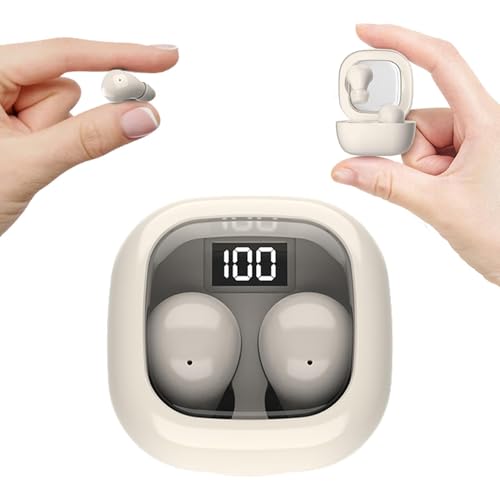
- Ultra-compact, low-profile in-ear design
- Made for side-sleeping comfort
- Up to 24 hours with charging case
Best For: Small ears and discreet wireless listening
Best Purpose-Built Option

- 1.6-gram flush fit for side sleepers
- Four soft ear-tip sizes
- 14-hour battery plus sleep sounds
Best For: All-night sleep masking and personalized fit
Best Headband Alternative
MUSICOZY Bluetooth Sleep Headphones

- Avoids in-ear earbuds with a soft headband
- Bluetooth 5.4 with 40mm drivers
- Up to 14 hours of playtime
Best For: Small ears that prefer on-ear comfort
Best Noise-Canceling Pick

- Thin, ergonomic body for side sleeping
- Up to 43 dB wideband ANC
- 100-plus app-based sleep sounds
Best For: Noise-sensitive sleepers wanting low-profile earbuds
Best Multifunctional Pick

- Headband design avoids in-ear pressure
- Built-in sleep mask and thin speakers
- Up to 15 hours of playback
Best For: Side sleepers who prefer a washable headband
Best for Side Sleepers

- Low-profile design for discreet wear
- Sleep mode prevents accidental touches
- Bluetooth 5.3 with IPX6 waterproofing
Best For: Side sleepers wanting compact true-wireless earbuds
Best Ultra-Mini Option

- Each earbud weighs just 0.08 ounces
- Peanut-sized, discreet in-ear profile
- 20 hours with the charging case
Best For: Small-ear users prioritizing minimal weight
Feather-Light Comfort Pick
Mini Sleep Earbuds for Side Sleepers

- 0.08-ounce low-profile earbuds
- Bluetooth 5.3 with touch controls
- Up to 24 hours with charging case
Best For: Side sleepers seeking lightweight small-ear earbuds
Softest Pressure-Free Design

- Ultra-flat profile for side sleeping
- Designed for small ear canals
- Bluetooth 5.4 with touch control
Best For: Small-ear users prioritizing discreet, low-pressure comfort
Quiet-Night Feature Pick
Mini Bluetooth 6.0 Sleep Earbuds

- 0.08-ounce low-profile earbuds
- No low-battery beeps during sleep
- Bluetooth 6.0 and battery display
Best For: Side sleepers wanting quiet alerts and everyday versatility
Best Discreet Pick – Invisible Mini Sleep Earbuds
For shoppers seeking sleep headphones for small ears, these mini earbuds emphasize a low-profile, discreet fit. Their compact in-ear design is intended for side sleeping and extended wear, while Bluetooth 5.3 supports wireless listening, calls, and compatible devices.
Best For: Small-ear users who want discreet earbuds for side sleeping, work, or everyday listening.
Pros:
- Ultra-compact, low-profile shape designed to sit discreetly in the ear.
- Soft mini-earbud design aims to reduce pressure for side sleepers.
- Bluetooth 5.3, microphone, touch controls, and volume control support versatile use.
- Provides up to 4 hours per charge, with the case adding up to 20 hours.
Cons:
- The earbuds themselves provide about 4 hours of battery life per charge.
- The compact fit may not suit users who prefer over-ear or headband-style headphones.
This is a practical choice when minimal visibility and a small physical footprint matter most. Consider it for discreet overnight or daytime use, but check whether its 4-hour earbud runtime matches your listening routine.
Best Purpose-Built Option – Ozlo Sleepbuds 2
The Ozlo Sleepbuds 2 are purpose-built sleep headphones for small ears and side sleepers, with a 1.6-gram flush fit and four soft ear-tip sizes. They focus on overnight comfort, noise masking, sleep sounds, and a private in-ear alarm rather than general-purpose audio alone.
Best For: Side sleepers who want dedicated sleep features, customizable ear tips, and all-night noise masking.
Pros:
- Lightweight 1.6-gram design sits flush to the ear for rolling in bed.
- Four soft tip sizes help users personalize the fit, including smaller ears.
- Up to 14 hours of battery life is designed to cover the night.
- Offers 50-plus sleep sounds, Bluetooth streaming, sleep timers, and a private alarm.
Cons:
- The Smart Case and app add more setup than a basic Bluetooth earbud.
- The supplied compatibility information lists cellphones as compatible devices.
Among these options, this is the most specialized sleep system. Its small, flush profile and multiple tip sizes make it especially compelling for side sleepers who prioritize overnight comfort and dedicated masking features.
Best Headband Alternative – MUSICOZY Bluetooth Sleep Headphones
Instead of placing earbuds in the ear, the MUSICOZY sleep headband uses built-in on-ear speakers. It can be a useful alternative for people comparing sleep headphones for small ears, particularly if tiny in-ear buds feel uncomfortable or difficult to keep positioned.
Best For: Users who prefer a soft, stretchable headband for sleep, relaxation, travel, workouts, or casual listening.
Pros:
- Headband format avoids inserting earbuds into small ear canals.
- Stretchy, breathable, sweat-absorbent material is designed for a broad range of users.
- Bluetooth 5.4 and 40mm drivers support wireless stereo audio.
- Up to 14 hours of playtime and a built-in microphone add everyday versatility.
Cons:
- Its on-ear headband design is bulkier than low-profile sleep earbuds.
- The supplied notes do not specify active noise cancellation or dedicated noise masking.
- Fit and speaker positioning may vary depending on head size and sleeping position.
This option makes the most sense when ear-canal comfort is the main concern. It is less discreet than mini earbuds, but the headband construction can provide a more approachable alternative for small-ear users who also want sports and travel functionality.
Best Noise-Canceling Pick – Ultra-Soft Sleep Earbuds
These ultra-soft earbuds target shoppers who want sleep headphones for small ears with stronger noise reduction. Their thin body, ergonomic contour, liquid-silicone tips, and active noise cancellation are designed to reduce pressure and help mask snoring, traffic, and air-conditioning noise.
Best For: Side sleepers who want a low-profile fit alongside active noise cancellation and app-based sleep sounds.
Pros:
- Ultra-thin body and 3D ergonomic contour are designed to minimize pillow pressure.
- Soft liquid-silicone tips and four-layer acoustic design combine passive isolation with ANC.
- Advertised wideband noise reduction reaches up to 43 dB.
- AI sleep detection can lock touch controls, while the app offers more than 100 sleep tracks.
Cons:
- The supplied notes do not state battery life or charging duration.
- Many sleep features depend on the companion app and Bluetooth-connected phone.
- The earbuds may offer more functionality than users seeking simple, no-app listening need.
This is the strongest match for sleepers whose main problem is environmental noise. Its low-profile construction addresses small-ear and side-sleeping concerns, while ANC and app-based sound options add flexibility beyond basic earbuds.
Best Multifunctional Pick – LC-dolida Sleep Headband
For shoppers comparing sleep headphones for small ears, the LC-dolida takes a less intrusive headband approach rather than using in-ear earbuds. Its built-in thin speakers, sleep mask, microphone, and washable design make it a flexible option for sleeping, travel, exercise, and relaxation.
Best For: Side sleepers and users who prefer a soft headband over earbuds, with light blocking for travel or nighttime use.
Pros:
- Combines sleep headphones, sleep mask, and sports headband in one design.
- Thin 0.25-inch speakers are intended to provide a more comfortable fit.
- Bluetooth 5.4, microphone, USB-C charging, and up to 15 hours of music playback.
- Detachable, washable design with soft, quick-drying fabric.
Cons:
- The headband may feel warmer or less discreet than tiny in-ear earbuds.
- It has no listed noise-control feature and is not water resistant.
This is a practical choice when comfort means avoiding pressure inside the ear. The headband format also adds useful light blocking, though shoppers seeking the smallest possible profile may prefer the dedicated mini earbuds below.
Best for Side Sleepers – Invisible Sleep Earbuds
These invisible earbuds are designed for shoppers seeking sleep headphones for small ears in a discreet, true-wireless format. Their skin-soft silicone tips, sleep mode, and low-profile fit are aimed at overnight use, including for people who sleep on their sides.
Best For: Side sleepers who want discreet earbuds with passive sound isolation and controls that resist accidental touches.
Pros:
- Small, low-profile design is intended to sit discreetly in the ears.
- Skin-soft silicone eartips and caps are designed for extended comfort.
- Sleep mode disables the earbud buttons to help prevent accidental activation.
- Bluetooth 5.3, microphone, and IPX6 waterproofing support varied use.
Cons:
- Battery life is listed at 6–8 hours of continuous use, so longer nights may require charging.
- In-ear earbuds can still feel less comfortable than a headband for some users.
Among compact in-ear options, this model stands out for its sleep-focused controls and silicone fit. Its stated waterproofing is useful for active wear, but fit and comfort will still depend on the shape of your ear canals.
Best Ultra-Mini Option – Yihou Invisible Mini Earbuds
The Yihou mini earbuds are aimed at shoppers who need sleep headphones for small ears with an especially discreet profile. Weighing 0.08 ounces per earbud and measuring about the size of a peanut, they are designed for low-profile wear during sleep, work, or everyday listening.
Best For: Users with small ear canals who prioritize minimal weight and a nearly invisible in-ear design.
Pros:
- Ultra-light 0.08-ounce earbuds are designed for long-term wear.
- Small, discreet shape is intended to be barely visible from the front.
- Bluetooth 5.3 provides a stable wireless connection with low latency.
- Charging case extends total use to 20 hours and displays battery capacity.
Cons:
- The earbuds provide about 4 hours of listening per charge.
- The compact design may offer fewer hours between charges than larger sleep headphones.
- No warranty is listed in the supplied details.
This is the most size-focused option in the group, making it appealing when conventional earbuds feel bulky. Its short per-charge runtime is the main trade-off, so it is best for shorter listening sessions or users comfortable with the charging case.
Feather-Light Comfort Pick – Mini Sleep Earbuds for Side Sleepers
For shoppers comparing sleep headphones for small ears, these earbuds emphasize a low-profile shape, light weight, and a pressure-free fit for side sleeping. They also offer Bluetooth 5.3, touch controls, and a charging case with a digital battery display.
Best For: Side sleepers who want compact earbuds for overnight listening, travel, calls, and everyday use.
Pros:
- Each earbud weighs 0.08 ounces and uses a low-profile ergonomic design.
- Bluetooth 5.3 supports stable pairing and lower latency.
- The case provides a digital battery readout and up to 24 hours of total playtime according to the supplied notes.
- Includes a 12-month warranty.
Cons:
- Playback is listed at 4 hours per charge, so overnight users may rely on the case for recharging.
- The in-ear design may not suit shoppers who prefer non-in-ear headphones.
This is a practical small-ear option when low weight and a discreet profile matter most. Its case display and touch controls add convenience, while the shorter single-charge runtime is worth considering for extended listening.
Softest Pressure-Free Design – Flat Mini Sleep Earbuds
These sleep headphones for small ears use an ultra-flat, lightweight design intended to reduce pillow pressure during side sleeping. Their compact Bluetooth 5.4 build is designed for discreet wear and includes touch controls plus a USB-C charging case.
Best For: Small-ear users, including women and teens, who want discreet earbuds for sleep, relaxation, or light activity.
Pros:
- Ultra-flat construction is designed for side-sleeping comfort.
- Small, discreet earbuds are intended to fit snugly in small ear canals.
- Bluetooth 5.4 offers a stated range of up to 33 feet.
- Waterproof and water-resistant features are listed in the supplied details.
Cons:
- The supplied notes do not specify battery life or total playtime.
- Sound features are positioned around calming audio rather than detailed music specifications.
The standout feature is the flat, non-intrusive profile, making this a compelling choice for shoppers who find conventional earbuds uncomfortable against a pillow. Consider it when fit and discreet appearance are higher priorities than documented battery information.
Quiet-Night Feature Pick – Mini Bluetooth 6.0 Sleep Earbuds
For sleep headphones for small ears with convenience-focused features, this purple model combines 0.08-ounce earbuds with Bluetooth 6.0, a digital battery display, and no low-battery beeps. The compact design is also aimed at discreet daytime use.
Best For: Side sleepers who want lightweight earbuds for sleep, podcasts, calls, commuting, and everyday listening.
Pros:
- Each earbud weighs 0.08 ounces and has a small, low-profile fit.
- No low-battery beep is specified for quieter nighttime use.
- Bluetooth 6.0 supports fast pairing and a stable wireless connection.
- Digital battery display, touch controls, and sweat/splash/light-rain resistance add daily-use convenience.
Cons:
- The supplied notes do not provide a specific playback time.
- Sound isolation is listed, but active noise cancellation is not specified.
This model is especially appealing if unexpected battery alerts could disturb sleep. It offers a lightweight small-ear fit and broad everyday usability, though shoppers who need a confirmed overnight runtime should verify that detail before buying.
How We Picked the Best Sleep Headphones for Small Ears
We focused on designs that address the main problems smaller-ear users face: oversized housings, uncomfortable pressure, poor retention, and controls that are difficult to use in bed. The selection includes discreet in-ear models for listeners who want a minimal profile, plus headband-style headphones for people who prefer softer contact around the ears.
We also considered Bluetooth reliability, charging convenience, playback controls, microphone availability, noise masking, and whether the design is practical for overnight use. Comfort remains highly personal, so ear shape, sleeping position, and preferred audio source should guide the final choice.
Quick Comparison
- Most discreet: Invisible and mini earbud designs sit close to the ear and are less noticeable beneath bedding.
- Best for side sleepers: Low-profile earbuds or thin headbands generally create less pressure than conventional wireless earbuds.
- Best for sound masking: Sleep-focused earbuds and noise-masking models are designed for snoring, traffic, and other steady disturbances.
- Best for comfort-first listening: Soft Bluetooth headbands avoid placing a separate earbud directly inside each ear canal.
- Best for occasional use: Basic Bluetooth earbuds can be a practical option when you mainly need music, podcasts, or calming audio.
Key Buying Factors for Sleep Headphones for Small Ears
Size, Profile, and Ear-Tip Fit
Look for compact housings, short stems, and multiple ear-tip sizes. A low-profile shape is especially important for side sleepers because even a small amount of protrusion can create pressure against a pillow. Smaller tips may improve comfort, but they must still form a stable seal without feeling forced into the canal.
Comfort and Sleeping Position
Side sleepers should prioritize soft materials and rounded edges. A headband can be more comfortable for some users, while others find any fabric around the head too warm. If you change positions often, choose earbuds with a secure fit and minimal external controls.
Battery Life and Charging
Check whether playback lasts through your intended sleep period and how the earbuds recharge. A charging case is convenient, while USB-C charging can simplify daily use. Features such as active noise cancellation may affect runtime, so compare real-world battery claims where available.
Sound, Controls, and Safety
For sleep, clear spoken audio and balanced sound may matter more than powerful bass. Physical or simple touch controls can help with starting, pausing, and adjusting volume in the dark. Keep volume at a safe level, and remember that strong noise isolation can reduce awareness of alarms or important sounds.
Who Should Buy Which Sleep Headphones for Small Ears?
Choose invisible mini earbuds if your priority is the smallest possible profile beneath a pillow. Consider sleep-focused earbuds if you need dedicated noise masking or a design intended for nighttime routines. A soft Bluetooth headband is a better fit for listeners who dislike in-ear pressure or want headphones that can also work during travel and light exercise.
If your ears are particularly sensitive, start with the lightest low-profile option and test it for a short period before wearing it all night. Buyers who share a bed should also consider audio leakage, microphone features, and whether the headphones can mask snoring without requiring uncomfortable volume levels.