Choosing among cassette recorders for field recording means balancing portability, simple controls, recording format, and dependable power. Some models suit hands-on tape work, while others use digital storage for cleaner, more convenient capture.
Our roundup includes compact cassette players, tape recorders, conversion-capable units, and a dedicated handheld audio recorder so you can match the tool to interviews, music, lectures, archival work, or casual outdoor recording.
Best 10 Cassette Recorders for Field Recording Picks for 2026
Best Digital Upgrade

- 32-bit float recording
- Stereo mics and XLR/TRS inputs
- USB-C and SD-card recording
Best For: Digital field recording and multi-source audio
Best Classic Cassette Option

- One-touch tape recording
- Automatic level control
- Handle, AUX input, and headphone jack
Best For: Simple portable mono cassette recording
Best Lightweight Cassette Recorder

- One-touch recording
- Built-in and freestanding microphones
- AC/DC operation with carry handle
Best For: Basic interviews, classes, and conferences
Best Tape-to-USB Versatility

- Records to cassette or USB
- Converts tapes to WAV
- Built-in and lavalier microphones
Best For: Portable tape recording and simple digitization
Best Digital Option
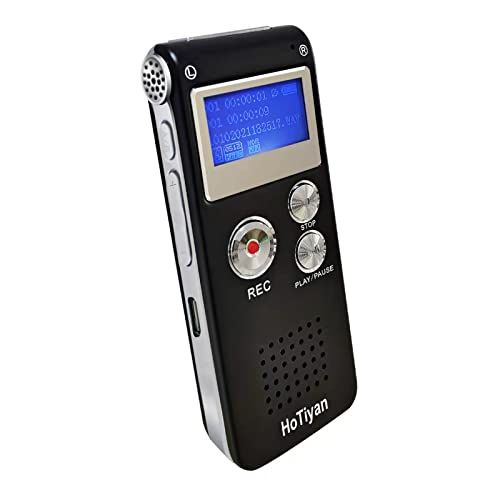
- 8GB storage with multiple recording-quality modes
- Voice activation and noise reduction
- Up to 20 hours of continuous recording
Best For: Lectures, interviews, and long digital voice-recording sessions
Best Simple Cassette Recorder

- Records and plays standard cassettes
- Built-in microphone for voice capture
- AC or four-C-battery operation
Best For: Simple voice notes, lectures, and physical-tape recording
Best Hybrid Shoebox Recorder
QFX RETRO-39BT Cassette Recorder

- Cassette recording plus USB MP3 conversion
- Bluetooth, FM, USB, and line-in support
- AC or four-C-battery power
Best For: Flexible tape recording, USB conversion, and casual voice use
Best Compact Option
TOMASHI Portable Cassette Recorder

- Compact, lightweight design
- Built-in mic, speaker, and headphone jack
- AA or USB power; automatic stop
Best For: Basic portable voice recording and cassette playback
Best for Tape-to-Digital Workflows
USB Cassette Recorder and Converter

- Converts tapes directly to WAV
- Records to cassette or USB
- Built-in mic, 3W speaker, and handle
Best For: Cassette archiving and flexible voice recording
Best Simple Dual-Power Choice
Reshow Portable Cassette Recorder
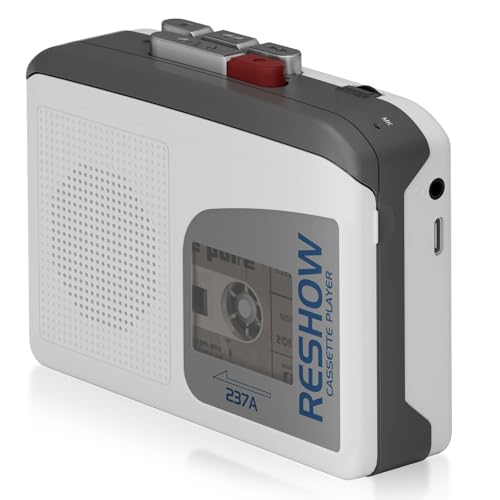
- Records voice directly to cassette
- USB-C or two-AA power options
- Speaker and 3.5mm headphone output
Best For: Students and travelers making simple analog recordings
Best Digital Upgrade – H4 Essential
For shoppers comparing cassette recorders for field recording, the Zoom H4 Essential is a modern digital alternative built for flexible capture. Its built-in stereo microphones, 32-bit float recording, four-track support, and dual XLR/TRS inputs suit everything from quiet interviews to loud live performances.
Best For: Field recordists, musicians, podcasters, and filmmakers who prefer digital recording with external-mic support.
Pros:
- 32-bit float recording helps provide clip-free audio.
- Built-in stereo microphones plus two XLR/TRS inputs offer flexible setups.
- Can record through USB-C while saving a backup to an SD card.
Cons:
- It records digitally rather than to cassette tape.
- Requires two AA batteries for portable operation.
The H4 Essential is the strongest choice here for serious field work when clean digital files and expandable inputs matter more than analog tape operation.
Best Classic Cassette Option – Jensen MCR-100
If you specifically want cassette recorders for field recording, the Jensen MCR-100 offers a straightforward tape-based setup with one-touch recording. Its built-in condenser microphone, automatic level control, retractable handle, and headphone jack make it practical for notes, lectures, interviews, and casual outdoor use.
Best For: Buyers wanting a simple portable cassette recorder for spoken notes, classes, interviews, or nostalgic analog recording.
Pros:
- One-touch recording simplifies starting a session.
- Automatic level control helps maintain consistent recording volume.
- Includes a built-in microphone, external microphone jack, AUX input, and retractable handle.
Cons:
- The built-in microphone records in mono.
- Its listed warranty is limited to 90 days.
The MCR-100 is a practical pick when cassette recording and uncomplicated controls are the priority, though it is less suited to stereo or highly detailed environmental capture.
Best Lightweight Cassette Recorder – Proscan PRC124AMZ
PROSCAN Cassette Player & Recorder with Microphone, Headphone Jack, Aux in, Black
Check Price On AmazonThe Proscan PRC124AMZ keeps cassette recorders for field recording uncomplicated with one-touch operation, a built-in microphone, and a freestanding microphone included. Its carry handle and AC/DC operation make it a flexible choice for recording interviews, classes, conferences, and other spoken material.
Best For: Users seeking a basic, handle-equipped cassette recorder for lectures, meetings, interviews, and playback.
Pros:
- One-touch recording is convenient for quick sessions.
- Includes a freestanding microphone and an external microphone jack.
- Offers headphone, AUX, fast-forward, and rewind functions.
Cons:
- The product weighs 1.8 pounds, making it less light than some compact recorders.
- The supplied details do not specify recording storage beyond cassette media.
This Proscan model is a sensible basic option for spoken-word field use, especially when a carry handle and microphone flexibility are more important than advanced recording controls.
Best Tape-to-USB Versatility – T300 Cassette Recorder
Among cassette recorders for field recording, the T300 stands out for combining tape recording with USB capture. It includes a built-in microphone, a lavalier microphone, one-touch recording, and the ability to record to cassette or USB, making it useful for interviews, meetings, natural sounds, and tape preservation.
Best For: Users who want portable cassette recording plus direct USB conversion without needing a computer or additional software.
Pros:
- Records to cassette or USB and converts tapes to WAV files.
- Includes built-in and lavalier microphone options.
- Retractable handle, headphone jack, and one-touch recording support portable use.
Cons:
- The supplied notes do not describe stereo recording capability.
- USB recording requires a plugged-in USB drive.
The T300 is the most versatile analog-focused option in this group, particularly for field users who want tape operation while also preserving recordings as digital WAV files.
Best Digital Option – HoTiyan 8GB Voice Recorder
For shoppers comparing cassette recorders for field recording, this compact digital alternative offers convenient voice capture without tapes. It includes a built-in stereo microphone, noise reduction, voice activation, rechargeable power, and 8GB of storage for extended recording sessions.
Best For: Lectures, interviews, meetings, and portable voice recording where long digital storage is more useful than cassette media.
Pros:
- 8GB storage supports up to 128 hours at 192 kbps, with lower-quality modes offering longer recording times.
- Voice activation can reduce quiet sections and conserve storage space.
- Rechargeable battery supports up to 20 hours of continuous recording.
- Includes MP3/WAV support, A-B repeat, variable playback speed, and USB file transfer.
Cons:
- This is a digital recorder, not a cassette-based field recorder.
- The built-in microphone may be less suitable when a specialized external microphone is needed.
Choose this model if portability, storage capacity, and easy computer transfer matter more than recording onto physical tape. Its simple controls and extended battery life make it practical for extended voice-focused sessions.
Best Simple Cassette Recorder – Coby CVR-22 Portable Recorder
The Coby CVR-22 is a straightforward choice for shoppers seeking cassette recorders for field recording. It plays and records standard cassettes, includes a built-in microphone, and can run from four C batteries or AC power for flexibility between indoor and portable use.
Best For: Voice notes, lectures, interviews, and users who want simple physical-tape recording with familiar controls.
Pros:
- Combines cassette playback and recording in one compact device.
- Built-in microphone allows self-contained voice recording.
- Battery or AC operation suits both mobile and desk-based recording.
- Headphone jack and aux input provide flexible listening options.
Cons:
- Recording time is limited to approximately 90 minutes as listed in the specifications.
- Requires four C batteries for portable operation.
- Its cassette format requires physical tapes and does not offer the digital storage features of a modern recorder.
This is a practical pick when ease of use and genuine cassette recording are priorities. The built-in microphone and dual power options make it adaptable, although users should plan around tape length and battery needs.
Best Hybrid Shoebox Recorder – QFX RETRO-39BT Cassette Recorder
For a more versatile take on cassette recorders for field recording, the QFX RETRO-39BT combines cassette recording with USB, Bluetooth, FM radio, and line-in functions. Its built-in microphone records to tape, while compatible audio sources can also be saved as MP3 to a USB drive.
Best For: Users who want cassette recording alongside USB conversion, Bluetooth playback, radio listening, and flexible power options.
Pros:
- Records and plays standard cassettes with one-touch recording and auto-stop.
- Can save cassette, Bluetooth, FM, microphone, or line-in audio as MP3 to a USB drive.
- Supports USB, Bluetooth, FM radio, and 3.5mm line-in/line-out connections.
- Runs from the included AC adapter or four C batteries.
Cons:
- The built-in speaker is mono and intended for voice and personal listening rather than large-room playback.
- Four C batteries are not included.
- There is no SD card slot, and cassette recordings retain natural tape hiss.
The RETRO-39BT is the strongest choice here for users who want more than basic tape recording. Its USB conversion and wireless playback features add flexibility, while the shoebox design remains suited to voice work and casual listening rather than high-fidelity field production.
Best Compact Option – TOMASHI Portable Cassette Recorder
For shoppers seeking cassette recorders for field recording, the TOMASHI is a compact, straightforward choice for short voice notes, language practice, and basic on-the-go recording. Its built-in microphone, speaker, headphone jack, and simple tape controls keep operation uncomplicated.
Best For: Portable voice memos, language learning, casual tape playback, and users who prioritize a small footprint.
Pros:
- Compact 4.57-by-3.54-by-1.38-inch design weighs about 180 g.
- Built-in microphone supports recording directly to cassette.
- Offers a built-in speaker, 3.5mm headphone jack, and automatic stop.
- Runs on two AA batteries or USB power.
Cons:
- Two AA batteries and USB power supply are not included.
- Its single built-in speaker and basic controls are better suited to simple recording than advanced field work.
The TOMASHI makes sense when portability and ease of use matter more than expanded connectivity. It is a practical entry-level recorder for basic analog capture and playback.
Best for Tape-to-Digital Workflows – USB Cassette Recorder and Converter
Among cassette recorders for field recording, this larger portable unit stands out for combining tape recording with direct USB conversion. It can record cassette content or external audio to a USB flash drive as WAV files, while also supporting microphone recording and headphone monitoring.
Best For: Users who want to preserve cassette recordings, make WAV backups, or handle voice and classroom recordings with flexible input and output options.
Pros:
- Converts cassette content directly to WAV on a USB flash drive without a computer or software.
- Supports recording external audio to either cassette or USB.
- Includes a built-in 3W speaker, integrated microphone, and dedicated microphone.
- Offers a 3.5mm headphone jack, REM port, retractable handle, and dual power options.
Cons:
- Four C batteries and the AC adapter are not included.
- At about 2 pounds, it is less compact than a pocket-style cassette recorder.
- A USB flash drive is required for direct digital conversion.
This is the most versatile option of the three for archiving and mixed analog-digital workflows. Its broader feature set is especially useful when field recordings need to be saved as computer-friendly WAV files.
Best Simple Dual-Power Choice – Reshow Portable Cassette Recorder
For straightforward cassette recorders for field recording, the Reshow combines tape playback and voice recording in a familiar portable format. Its built-in microphone records directly to cassette, while USB-C power and AA battery support make it convenient for home, travel, and everyday use.
Best For: Students, travelers, journalists, and casual users recording lectures, memos, interviews, or musical ideas to tape.
Pros:
- Built-in microphone records voice and ideas directly onto cassette.
- Built-in speaker and 3.5mm headphone jack support shared or private listening.
- Uses either two AA batteries or a USB-C cable.
- Simple control layout and grey-white design are accessible for new users.
Cons:
- AA batteries are not included.
- It does not list USB tape-to-digital conversion, so recordings remain cassette-based.
- The six-month warranty is shorter than some competing coverage periods.
The Reshow is a sensible middle ground for users who want authentic cassette recording without the extra conversion features of a larger shoebox-style unit. USB-C power adds useful modern convenience while preserving simple analog operation.
How We Picked the Best Cassette Recorders for Field Recording
We focused on practical field use rather than appearance alone. The selection covers cassette-based recorders, portable tape players with microphones, tape-to-USB devices, and digital handheld recorders that may be a better fit when sound quality and editing flexibility matter most.
We considered built-in microphone capability, control simplicity, portability, power options, playback features, headphone or auxiliary connectivity, and whether each design is suited to short voice notes or longer recording sessions. Because these products vary significantly, the right choice depends on whether you need physical tape recording, digital files, or both.
Quick Comparison
- Best for serious portable audio: A dedicated handheld digital recorder offers better microphone options, file management, and editing compatibility.
- Best for simple tape recording: Compact cassette recorders with built-in microphones are easy to operate and useful for voice notes or demonstrations.
- Best for playback and basic recording: Entry-level cassette players with speakers and headphone jacks work well for home, travel, students, and casual use.
- Best for archiving: A cassette-to-USB model can help convert existing tapes into digital WAV files, though results depend on the tape condition and transfer workflow.
Key Buying Factors for Cassette Recorders for Field Recording
Recording Format and Sound Quality
Decide whether you specifically need analog cassette recording. Tape is tactile and familiar, but it introduces hiss, requires physical media, and can degrade over time. Digital recorders generally provide easier file transfer, cleaner results, and more control during editing.
Microphone and Monitoring Options
A built-in microphone is convenient for speech and quick notes, but its pickup pattern and sensitivity may be limited outdoors. Headphone output is valuable for checking recordings, while an auxiliary input can support external sources on compatible models.
Power, Size, and Durability
Field recording often means working away from outlets. Check whether the recorder uses replaceable batteries, USB power, or an AC adapter, and consider how long it can operate. A compact handle or lightweight body helps with carrying, but very small units may have simpler controls and weaker speakers.
Storage and File Transfer
Cassettes are straightforward but must be labeled and stored carefully. Digital models should be checked for internal memory, removable storage, USB connectivity, and supported file formats. For archiving, WAV support is preferable when preserving detail for later editing.
Who Should Buy Which Cassette Recorders for Field Recording?
Choose a dedicated handheld digital recorder if you record interviews, music, ambient sound, or film audio and expect to edit or share files regularly. Choose a cassette recorder with a built-in microphone if you value physical tapes, simple one-touch operation, or compatibility with older recordings. Choose a tape-to-USB recorder if your priority is transferring an existing cassette collection to a computer or USB drive.
For students, travelers, and occasional users, a basic portable cassette player-recorder can be sufficient. Before buying, confirm the microphone, power supply, recording controls, and connectivity match your intended setting; these details matter more than retro styling when reliability in the field is the goal.