The best audio compressors help control dynamics, add punch, and give recordings or live mixes a more polished, consistent sound. The right choice depends on your sources, workflow, channel count, and preferred compression character.
This roundup compares 10 options spanning rackmount processors, optical and FET-style designs, stereo compressors, vocal-focused units, and guitar pedals. Use the guide below to narrow your options by application, controls, connectivity, and budget.
Best 10 Audio Compressors Picks for 2026
Reliable Rack Control

- Compressor, expander, and gate in one 1U unit
- Separate LED displays for quick setup
- Useful for live, tour, and studio dynamics control
Best For: Users wanting visible, flexible rackmount dynamics control
Versatile Channel Processing
Behringer Composer Pro-XL MDX2600

- Two-channel compressor, limiter, and gate
- Intended for production, mixing, and mastering
- Portable design with a 2-year warranty
Best For: Two-channel studio processing and dynamics control
Flexible Stereo Dynamics
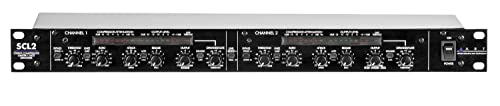
- Dual-channel or linked-stereo operation
- Compressor, limiter, expander, and gate functions
- Balanced TRS and XLR inputs with LED metering
Best For: Stereo buses and balanced rack-based signal chains
Tube Optical Character
Warm Audio WA-2A Optical Compressor

- Single-channel tube optical compressor
- All-discrete path with Cinemag transformers
- Custom optical photocell for dedicated analog processing
Best For: Voice and instrument recording chains seeking tube optical character
Classic Sustain Tool

- Analog pedal compression for even signal levels
- Supports increased sustain and stable dynamics
- Battery or Dunlop AC adapter operation
Best For: Guitarists wanting straightforward, classic compression
Classic FET Character

- Single-channel discrete compressor design
- Custom CineMag USA transformers
- Includes the “all buttons in” ratio setting
Best For: Professional recording setups seeking classic discrete compression
Flexible Stereo Control
Shelford Diode Bridge Compressor
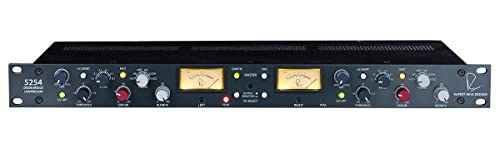
- Two-channel diode-bridge compression
- Sidechain high-pass filter, inserts, and stereo linking
- Onboard parallel processing with stepped controls
Best For: Studio workflows requiring flexible two-channel compression
Tube-Optical Versatility

- Selectable tube or solid-state operation
- Optical compression with variable blend
- Switchable +4 dBu/-10 dBV levels
Best For: Single-channel studio tracking and tone shaping
Vintage Stereo Glue
Behringer 369 Compressor/Limiter

- Two-channel compressor and limiter
- Warm, balanced vintage sound profile
- Stereo/mono operation with individual bypass
Best For: Mix bus, mastering, and live rack systems
Vocal and Live Control

- Dual-channel VCA compression with Overeasy
- Built-in noise gate and LED metering
- XLR/TRS I/O plus sidechain insert
Best For: Vocals, streaming, broadcast, and live sound
Reliable Rack Control – dbx 266xs Compressor/Gate
The dbx 266xs is a practical choice among audio compressors for users who want straightforward dynamics control in a portable, tour, or studio rack. Its compressor, expander/gate, and clear LED displays support quick setup across different program material.
Best For: Live rigs, project studios, and users who need compressor and gate functions in one 1U unit.
Pros:
- Compressor/gate design can smooth uneven levels, add guitar sustain, fatten drums, or tighten mixes.
- Program-adaptive expander/gates and updated gate timing support smooth release characteristics.
- Separate LED displays show gain reduction, compression threshold, and gate threshold.
- Offers front-panel controls and 1/4-inch audio connectivity in a 1U rack format.
Cons:
- It uses an analog, corded-electric setup rather than a software-based workflow.
- The rackmount form factor may be more equipment than needed for basic home recording.
Choose the 266xs if you value visible metering and flexible compressor/gate operation in a single rack space. It is especially suited to repeatable setup in live or studio environments.
Versatile Channel Processing – Behringer Composer Pro-XL MDX2600
The Behringer Composer Pro-XL MDX2600 is a two-channel option for audio compressors buyers working in production, mixing, or mastering. Its listed compressor, limiter, and gate configuration makes it suitable for processing two channels in a corded rack-style setup.
Best For: Audio production, mixing, and mastering workflows that need two-channel dynamics processing.
Pros:
- Combines two compressor, limiter, and gate channels in one processor.
- Designed for audio production, mixing, and mastering applications.
- Portable construction and a relatively light 4.7-pound weight can simplify equipment handling.
- Includes a listed 2-year warranty.
Cons:
- The supplied notes provide limited control and connectivity details for comparing fine-grained operation.
- It requires corded power and may not suit users seeking a single-channel or software-only solution.
The MDX2600 makes sense when two-channel coverage is more important than a compact desktop format. Its compressor, limiter, and gate combination gives it a broad role in a production or mixing chain.
Flexible Stereo Dynamics – ART SCL2 Compressor/Limiter
The ART SCL2 is a flexible pick among audio compressors for users who need either dual-channel or linked-stereo operation. Balanced 1/4-inch TRS and XLR inputs, selectable attack and release modes, and level metering support a range of analog studio setups.
Best For: Stereo buses, dual-channel processing, and systems using balanced TRS or XLR connections.
Pros:
- Supports dual-channel or linked-stereo operation.
- Includes compressor, limiter, expander, and gate functions.
- Offers selectable automatic or manual attack and release settings.
- Provides precise LED level meters plus a stereo-mode balance control.
Cons:
- The 240-volt specification may require careful power compatibility checking.
- Its 19-inch rack-style dimensions may be excessive for small desktop setups.
The SCL2 is a strong fit when routing flexibility matters. Its linked-stereo mode and balanced input options make it particularly practical for stereo-bus or professional rack applications.
Tube Optical Character – Warm Audio WA-2A Optical Compressor
The Warm Audio WA-2A takes a different approach to audio compressors with a single-channel tube optical design and an all-discrete signal path. Custom optical photocell circuitry and Cinemag transformers make it a focused option for users seeking dedicated analog processing.
Best For: Single-channel voice, instrument, or recording chains where tube optical compression and transformer-based circuitry fit the workflow.
Pros:
- Uses a 1-channel tube optical compressor design.
- Features an all-discrete signal path and custom optical photocell.
- Includes Cinemag transformers and XLR connectivity.
- Offers a listed 2-year warranty and a 20 Hz–20 kHz frequency range.
Cons:
- It provides one channel, so stereo processing requires additional equipment or separate processing.
- The corded, hardware-based design is less convenient than software compression for mobile workflows.
- The supplied specifications list a 240-volt power requirement, which should be verified before purchase.
The WA-2A is best considered a character-focused single-channel processor rather than an all-purpose rack solution. Its tube optical architecture and transformer-based signal path will appeal to buyers prioritizing dedicated analog recording hardware.
Classic Sustain Tool – MXR Dyna Comp Compressor
The MXR Dyna Comp is a compact analog choice for guitarists comparing audio compressors for more even signal levels and increased sustain. Its straightforward controls and familiar studio pedigree make it practical for players who want compression without a complicated setup.
Best For: Guitarists seeking stable dynamics, added sustain, and a Nashville studio-standard compressor pedal.
Pros:
- Helps even out the signal sent to your amplifier.
- Designed to provide increased sustain with stable dynamics.
- Offers a simple sensitivity control and analog compression circuit.
- Runs on a single 9-volt battery or compatible Dunlop AC adapter.
Cons:
- Provides a single-channel pedal format rather than rack-style processing.
- Its feature set is focused on core compression rather than advanced routing.
The Dyna Comp is a sensible fit when ease of use, consistent output, and classic pedal-format compression matter more than extensive studio controls.
Classic FET Character – Warm Audio WA76 Compressor
The Warm Audio WA76 is a single-channel discrete unit for buyers evaluating audio compressors for professional recording applications. Its fully discrete signal path, custom CineMag USA transformers, and classic 1176-style design support a focused rack-based compression setup.
Best For: Professional audio users who want a single-channel compressor with discrete circuitry and the classic “all buttons in” ratio setting.
Pros:
- Uses custom CineMag USA transformers.
- Features a fully discrete signal path.
- Designed to stay true to the classic ’76 compressor in design and performance.
- Supports the distinctive “all buttons in” ratio setting.
Cons:
- Offers only one compression channel.
- Its 8.9-pound metal chassis is less portable than a compact pedal.
The WA76 makes the most sense for a dedicated recording rig where classic discrete compressor design and a specialized feature set are priorities.
Flexible Stereo Control – Shelford Diode Bridge Compressor
The Shelford Diode Bridge Compressor is a two-channel option for buyers comparing audio compressors for more flexible analog processing. Stepped controls, sidechain filtering, inserts, parallel processing, and stereo linking give it a broader workflow than a basic single-channel compressor.
Best For: Studio users needing two-channel compression with stereo linking, sidechain high-pass filtering, inserts, and onboard parallel processing.
Pros:
- Provides two channels of diode-bridge compression.
- Includes a sidechain high-pass filter and inserts.
- Offers onboard parallel processing and stereo linking.
- Uses stepped controls for repeatable settings.
Cons:
- At 10.7 pounds, it is a substantial studio unit.
- Its extensive routing and processing features may be more than a basic setup requires.
The Shelford is a strong match for users who need multi-channel flexibility and detailed studio routing in a corded analog compressor.
Tube-Optical Versatility – Solo VLA Compressor
The ART Solo VLA is a flexible single-channel choice for audio compressors buyers who want selectable tube or solid-state character. Its optical AOI control, variable blend, and switchable level modes make it useful for shaping individual tracks while retaining control over how much compression is heard.
Best For: Vocal, instrument, and single-channel studio processing where tube/solid-state voicing and parallel-style blending are useful.
Pros:
- Selectable MultiVoice tube or solid-state operation
- Optical AOI compression control for smooth signal shaping
- Variable blend mixes uncompressed and compressed signals
- Switchable +4 dBu and -10 dBV level modes
Cons:
- Single-channel design is less suited to stereo processing
- Its 7.03-pound, rack-style chassis may be more than needed for compact setups
The Solo VLA stands out when you want one channel with multiple tonal and routing options. Its mastering-quality signal path and blend control give it added flexibility, but buyers needing two-channel compression should look elsewhere.
Vintage Stereo Glue – Behringer 369 Compressor/Limiter
The Behringer 369 is a two-channel option for audio compressors shoppers seeking a warm, vintage-style analog sound. With separate compressor and limiter sections, adjustable recovery presets, and stereo or mono operation, it can handle subtle mix cohesion as well as more assertive peak control.
Best For: Stereo mix bus work, mastering sessions, live sound, and engineers who want vintage-flavored compression and limiting in a rackmount format.
Pros:
- Dual-channel compressor and limiter functionality
- Adjustable threshold, recovery, gain, and ratios from 1.5:1 to 6:1
- Limiter recovery range spans 50–800 ms for flexible peak control
- Stereo or mono operation with individual channel bypass
Cons:
- Its 2U rackmount chassis requires dedicated rack or studio space
- The vintage-voiced design may not suit buyers seeking strictly transparent processing
The 369 is a practical fit when you want compression and limiting in one two-channel analog unit. Its broad recovery controls support both restrained and more noticeable effects, while the rackmount design also suits live and on-location systems.
Vocal and Live Control – Dual-Channel Rack Compressor
This dual-channel rackmount unit is a practical audio compressors choice for vocals, streaming, live sound, and studio routing. Its VCA circuit, Overeasy compression, noise gate, LED metering, and sidechain insert combine level control with tools for cleaning and shaping real-world sources.
Best For: Vocals, voiceovers, podcasts, broadcasts, live performance, and setups needing XLR/TRS connectivity plus sidechain control.
Pros:
- Dual-channel compression with adjustable attack and release
- Built-in noise gate helps reduce ambient or background noise
- Sidechain insert supports frequency-based ducking
- XLR and 1/4-inch TRS inputs and outputs integrate with studio and PA gear
Cons:
- Analog rackmount design is less portable than software processing
- The supplied notes do not specify independent channel-linking or detailed ratio ranges
Choose this model if connectivity and practical vocal control matter as much as compression. The gate, sidechain, and LED feedback make it adaptable for live and broadcast workflows, while its dual-channel format expands its usefulness beyond a single vocal path.
How We Picked These Audio Compressors
We selected models that represent the main compressor formats and use cases: single-channel studio processors, dual-channel and stereo rack units, optical and discrete designs, live-sound processors, and compact instrument pedals. We looked for practical control layouts, useful connectivity, flexible dynamics processing, and features that match common recording, mixing, touring, and performance workflows.
Because compressor choice is highly dependent on taste and source material, this list includes both transparent control-oriented units and products designed to add noticeable character. The goal is to make it easier to compare capabilities rather than declare one universal winner.
Quick Comparison
- For a versatile rack processor: Consider a dbx or Behringer unit with compression, limiting, gating, or sidechain functions.
- For vocals and smooth leveling: Optical compressors such as the Warm Audio WA-2A can provide gradual, musical gain control.
- For punch and attitude: A discrete or FET-style compressor, including the Warm Audio WA76, can suit vocals, drums, and aggressive sources.
- For stereo buses: Choose a dual-channel compressor with stereo linking and matched controls.
- For guitar or bass: A compact pedal such as the MXR Dyna Comp is easier to integrate into an instrument signal chain.
Key Buying Factors for Audio Compressors
Format and Channel Count
Single-channel units work well for vocals, bass, guitar, or individual recording tracks. Dual-channel and stereo models are more practical for keyboards, mix buses, mastering-style applications, and live setups requiring multiple inputs.
Compression Character
Optical designs are often chosen for smooth, forgiving leveling, while FET and discrete circuits can deliver faster response and more audible punch. VCA-style processors tend to offer precise, adaptable control for tracking, mixing, and live sound.
Controls and Metering
Check whether the unit provides threshold, ratio, attack, release, and makeup gain controls, along with gain-reduction metering. Extra functions such as limiting, expansion, gating, de-essing, sidechain filtering, or stereo linking can add considerable value.
Connections and Headroom
Confirm that the inputs and outputs match your interface, mixer, patch bay, or pedalboard. Balanced XLR or TRS connections are useful in studio and live environments, while adequate headroom helps prevent unwanted distortion when processing loud sources.
Who Should Buy Which Audio Compressors?
Home-recording musicians should prioritize straightforward controls, reliable metering, and a compressor that can serve several sources. Project and professional studios may benefit from adding contrasting circuit styles, such as an optical unit for smooth vocals and a fast discrete processor for drums or aggressive tracks.
Live engineers should look for durable rackmount construction, clear front-panel monitoring, flexible routing, and useful gating or limiting features. Guitarists and bassists will generally prefer a pedal format with simple footswitch operation and settings that preserve playing feel. If you are unsure, choose the model with the connectivity and control range that best fits your existing signal chain rather than buying solely by compressor type.